
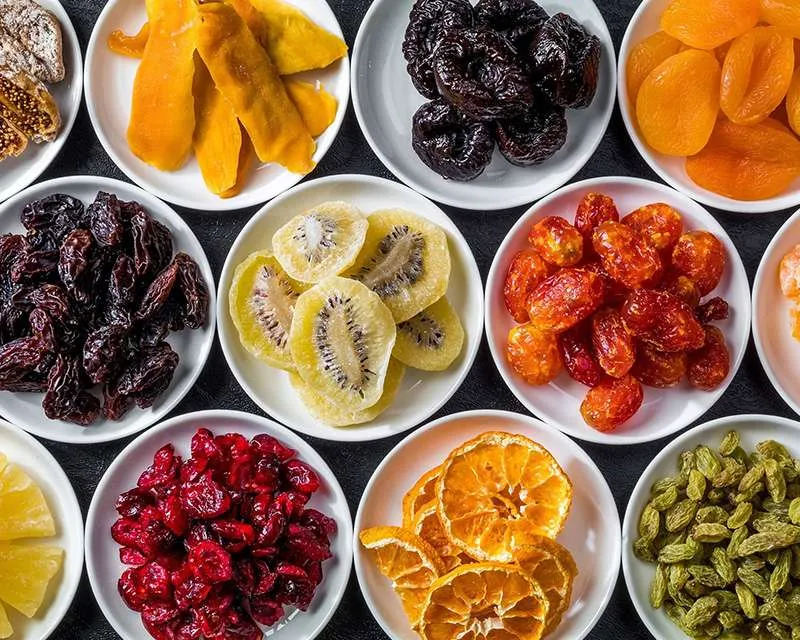
Why Food Souvenirs Matter More Than Ever
Travel souvenirs used to mean fridge magnets, postcards, or keychains that quietly gathered dust at home. Today, travelers want something more meaningful—something that carries memory, culture, and emotion. Food souvenirs do exactly that.
Local foods are edible stories. A spoonful of sauce can remind you of a street corner you wandered through at sunset. A packet of spices can transport you back to a bustling market. A bar of chocolate or bag of coffee beans can instantly revive conversations, laughter, and discoveries from your journey.
Food souvenirs are also:
- Deeply cultural – They reflect history, climate, agriculture, and traditions
- Highly personal – Taste is tied closely to memory
- Easy to share – Perfect gifts for friends, family, and colleagues
- Often affordable – With options for every budget
In this comprehensive guide, we’ll explore the best local souvenir foods to bring home, how to choose them wisely, how to pack them safely, and what to check before you pass through customs.
Whether you’re a casual traveler, a serious foodie, or shopping for meaningful gifts, this article will help you bring home flavors that truly last.
What Makes a Great Food Souvenir?
Not every local dish makes a good travel companion. Before diving into specific foods, it’s important to understand what qualities turn a local specialty into a perfect souvenir.
1. Shelf Stability
The best food souvenirs:
- Do not require refrigeration
- Have a long shelf life (weeks, months, or years)
- Can survive temperature changes during flights
Examples include dried foods, sealed sauces, candies, spices, and preserved products.
2. Easy to Transport
Good souvenir foods are:
- Lightweight
- Compact
- Well-packaged or easily sealed
Avoid foods that are liquid-heavy, fragile, or strongly aromatic unless they are vacuum-sealed.
3. Strong Local Identity
The best souvenir foods are deeply tied to a destination. They are:
- Hard to find abroad
- Produced locally
- Associated with regional traditions
These foods tell a story that mass-produced international snacks cannot.
4. Customs-Friendly
Always consider:
- Import rules of your home country
- Restrictions on fresh products, meats, dairy, or liquids
- Airline baggage limits
Later in this article, we’ll cover customs tips in detail.
Sweet Souvenir Foods: Desserts, Candies & Confections
Sweet treats are among the most popular food souvenirs. They’re easy to gift, widely loved, and usually travel well.
Local Candies & Traditional Sweets
Every culture has iconic sweets that reflect local ingredients and tastes.
Why they’re great souvenirs:
- Individually wrapped
- Long shelf life
- Easy to share
Popular examples around the world:
- Fruit‑based candies made with tropical produce
- Nut brittle, sesame candy, or coconut sweets
- Rice‑based or bean‑based traditional desserts
Look for products labeled as artisan, handmade, or traditional recipe for a more authentic experience.
Chocolate with a Local Twist
Chocolate becomes a powerful souvenir when infused with regional ingredients.
Marou Chocolate – Vietnam’s World-Class Chocolate

One of the most outstanding chocolate souvenirs you can bring home from Vietnam is Marou Chocolate.
Marou is a Vietnamese bean-to-bar chocolate brand that has received global recognition. Most notably, The New York Times has praised Marou as one of the best chocolates in the world, putting Vietnam firmly on the global chocolate map.
What makes Marou special:
- Made entirely from Vietnamese cacao beans sourced from regions such as Tiền Giang, Bến Tre, Đồng Nai, and Lâm Đồng
- Bean-to-bar production with a strong focus on terroir
- Elegant packaging that clearly tells the story of each cacao origin
- No artificial flavors, emphasizing pure cacao taste
Why Marou is a perfect souvenir:
- Long shelf life
- Easy to pack
- Premium yet meaningful gift
- Strong storytelling value for international friends and family
Popular varieties include:
- Tiền Giang 70%
- Bến Tre 78%
- Dark chocolate with coconut, coffee, or spices
Marou chocolate bars are widely available in Vietnam at specialty shops, airports, and high-end supermarkets, making them one of the safest and most impressive food souvenirs to bring home.
Examples include:
- Chili chocolate
- Sea salt chocolate from coastal regions
- Chocolate flavored with local coffee, spices, or herbs
Choose bars or boxed chocolates with sealed packaging and clear ingredient labels.
Chocolate becomes a powerful souvenir when infused with regional ingredients.
Examples include:
- Chili chocolate
- Sea salt chocolate from coastal regions
- Chocolate flavored with local coffee, spices, or herbs
Choose bars or boxed chocolates with sealed packaging and clear ingredient labels.
Baked Goods (Packaged)
Certain baked goods can travel well if they are:
- Dry or crunchy (cookies, crackers, rusks)
- Vacuum‑sealed or factory‑packaged
Avoid soft cakes, cream‑filled pastries, or items with short expiration dates.
Savory Souvenir Foods: Bold Flavors to Take Home
Savory foods often capture the heart of a cuisine. When chosen carefully, they make unforgettable souvenirs.
Dried Snacks & Crackers
Local savory snacks are excellent travel companions.
Common types include:
- Rice crackers
- Seaweed snacks
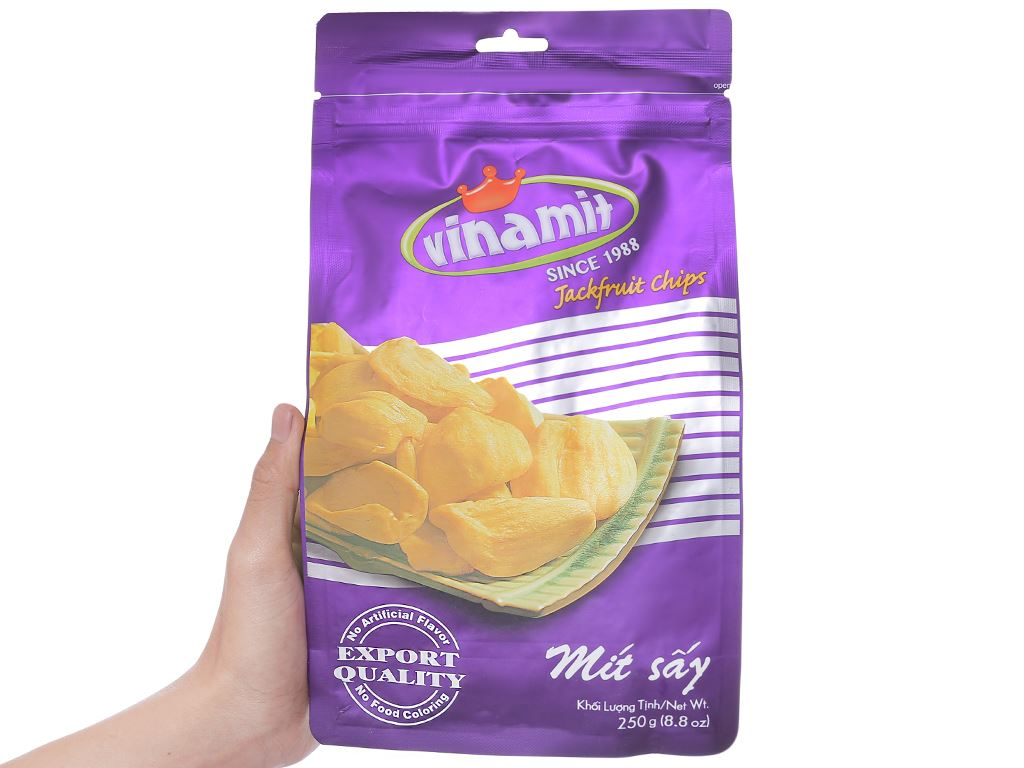
- Dried vegetable or fruit chips
- Spiced nuts or legumes
They’re lightweight, flavorful, and usually allowed through customs.
Preserved & Cured Specialties
Depending on customs regulations, you may be able to bring home:
- Vacuum‑sealed cured meats
- Dried seafood snacks
- Preserved vegetables
Always check regulations carefully, especially for meat and seafood products.
Regional Condiments & Sauces
Condiments are among the most powerful food souvenirs.
They allow travelers to recreate local flavors at home, even months later.
Examples include:
- Chili sauces
- Fermented sauces
- Spice pastes
- Specialty salts
Tip: Choose factory‑sealed jars or bottles under liquid limits, or place them in checked luggage with protective wrapping.
Spices, Herbs & Seasonings: A Traveler’s Treasure
Spices are lightweight, aromatic, and deeply connected to local cuisine.
Whole Spices vs Ground Spices
- Whole spices last longer and retain flavor better
- Ground spices are more convenient but should be sealed tightly
Examples of popular souvenir spices:
- Pepper varieties
- Cinnamon, star anise, cloves
- Regional spice blends
Spice Mixes & Cooking Kits
Many destinations offer pre‑mixed seasoning packets designed for home cooking.
These often include:
- Instructions in English
- Measured portions
- Authentic flavor profiles
They make excellent gifts for home cooks.
Coffee, Tea & Drinkable Souvenirs
Few souvenirs are as universally loved as beverages.
Coffee Beans & Ground Coffee
Local coffee reflects climate, altitude, and tradition.
Trung Nguyên Legend Coffee – Vietnam’s Iconic Coffee Brand
Vietnam is the world’s second-largest coffee exporter, and no brand represents Vietnamese coffee culture better than Trung Nguyên Legend.

Trung Nguyên Legend is more than a coffee brand—it is a symbol of Vietnam’s modern coffee identity, combining tradition, philosophy, and innovation. The brand is internationally recognized and widely trusted by travelers.
Why Trung Nguyên Legend coffee makes an excellent souvenir:
- Strong Vietnamese flavor profile, especially for Robusta lovers
- Wide range of products suitable for travel
- Clear origin and roasting standards
- Elegant, gift-ready packaging
Popular Trung Nguyên Legend products for souvenirs:
- G7 Instant Coffee – Convenient, lightweight, and easy to share
- Sáng Tạo (Creative) Series – Ground coffee blends with different strength levels
- Legend Capsule Coffee – Modern option for home machines
Tips when buying coffee souvenirs:
- Choose factory-sealed packages
- Whole beans last longer than ground coffee
- Avoid very large bags if gifting to multiple people
Trung Nguyên Legend coffee is easy to find in Vietnam at supermarkets, brand cafés, and airport duty-free shops, making it one of the safest and most popular coffee souvenirs for international travelers.
Tips when buying coffee souvenirs:
- Choose freshly roasted beans
- Look for origin labels
- Buy whole beans for longer freshness
Local coffee reflects climate, altitude, and tradition.
Tips when buying coffee souvenirs:
- Choose freshly roasted beans
- Look for origin labels
- Buy whole beans for longer freshness
Tea & Herbal Infusions
Tea is elegant, lightweight, and culturally rich.
Popular types include:
- Loose‑leaf tea
- Herbal blends
- Flower‑based infusions
Well‑sealed tins or bags make tea an ideal souvenir.
Instant & Concentrated Drinks
Some destinations offer:
- Instant coffee sachets
- Powdered traditional drinks
- Concentrated syrups
These are easy to pack and often airline‑friendly.
Regional Specialties Worth Seeking Out
Each region of the world has signature food souvenirs tied to geography and history.
Market‑Exclusive Items
Local markets often sell products unavailable in supermarkets:
- Handmade spice blends
- Small‑batch sauces
- Family‑run confectionery
Ask vendors about shelf life and packaging before purchasing.
Protected Origin Foods
Some foods carry geographical protection or traditional certification.
These items:
- Guarantee authenticity
- Often come with official packaging
- Make premium gifts
How to Pack Food Souvenirs Safely
Even the best food souvenir can become a disaster if packed poorly.
Packing Tips
- Use zip‑lock bags for extra protection
- Wrap jars and bottles in clothes
- Place liquids in the center of your suitcase
- Use hard containers for fragile items
Carry‑On vs Checked Luggage
- Dry foods → carry‑on or checked
- Liquids → checked luggage
- Sharp or heavy items → checked luggage
Customs & Import Rules: What You Need to Know
Before buying food souvenirs, check your home country’s import regulations.
Commonly Restricted Items
- Fresh fruits and vegetables
- Fresh meat and dairy
- Homemade or unsealed foods
Generally Allowed Items
- Factory‑sealed snacks
- Dried foods
- Spices and teas
- Coffee and chocolate
Always declare food items when required. Honesty avoids fines and delays.
Food Souvenirs as Meaningful Gifts
Food souvenirs are not just items—they are experiences.
They:
- Spark conversations
- Share culture
- Create moments of connection
Pair food gifts with:
- A short note about where you bought it
- A serving suggestion
- A personal travel memory
This transforms a simple item into a heartfelt gift.
Bringing Home More Than Just Food
The best local souvenir foods do more than satisfy hunger—they preserve memory. They allow you to relive a destination through taste, aroma, and shared moments.
When chosen thoughtfully, food souvenirs become bridges between cultures and kitchens. They remind us that travel doesn’t truly end when we return home—it continues every time we open a package, brew a cup, or cook a familiar flavor.
So next time you travel, skip the generic trinkets. Walk through local markets. Ask questions. Taste generously. And bring home something that tells a story—one delicious bite at a time.